Goalball Federation of India Learn More

Training in Goalball
Training in Goalball
Introduction
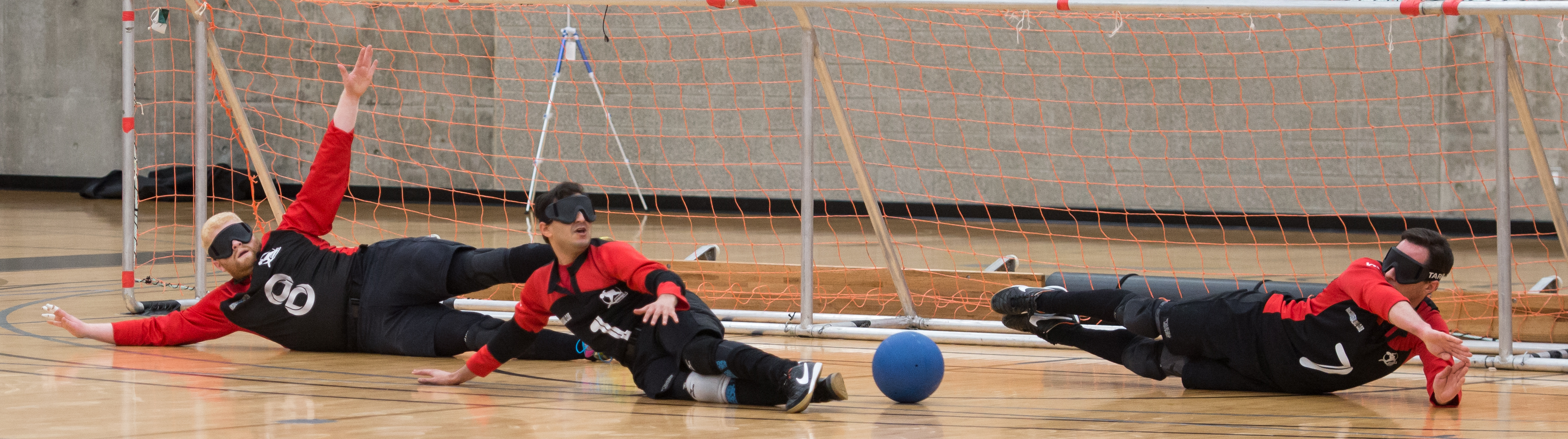
Training in Goalball focuses on building the physical, technical, and tactical skills necessary to succeed in a game specifically designed for blind and visually impaired athletes. Players rely on sound, touch, and body control, making training a highly specialized and disciplined process.
Core Skills to Develop
- 🎯 Throwing Accuracy: Players must learn to throw with both speed and direction to aim for goal gaps.
- 🛡️ Defensive Positioning: Learning how to slide, block, and cover the court using full-body defense.
- 👂 Sound Awareness: Developing the ability to track the ball by sound alone using the bells inside it.
- 🤝 Team Communication: Silent signals and verbal coordination enhance team strategy.
- 🧠 Spatial Orientation: Practicing awareness of court boundaries using tactile lines under the tape.
Training Components
- Warm-ups: Focused on agility, flexibility, and strength-building to avoid injuries.
- Drills: Repetitive drills like rapid blocking, directional throwing, and ball tracking exercises.
- Game Simulation: Controlled scrimmages for strategy execution and stamina testing.
- Fitness: Core strength and endurance training are critical for fast dives and powerful throws.
- Recovery: Cool-downs, stretching, and mental focus are part of each session.
Coaching Tips
Goalball coaches emphasize personalized feedback and consistent practice. They track players’ reaction time, ball control, and teamwork. Coaches must also ensure players wear eyeshades correctly and use legal techniques during play and training.
Training for Beginners
Beginners start with orientation exercises and basic blocking. Coaches often use verbal cues to guide new players into proper court zones. Early sessions focus more on safety, confidence-building, and sound recognition rather than competitive play.
Advanced Training
Advanced players undergo rigorous conditioning, strategic drills, and mental preparation. They focus on deceptive throwing techniques, strategic positioning, and quick recovery movements between plays.
Goalball Training Environment
Training must take place in a quiet indoor gym with correct court markings and goal setup. The environment should help players fully rely on sound and tactile cues, simulating real match conditions.
Conclusion
Goalball training is not just about fitness—it’s a discipline of trust, awareness, and precise execution. Whether you're a beginner or elite athlete, consistent and structured training is key to excelling in this dynamic Paralympic sport.